With increased competition within the beverage industry, Coca Cola Company has for the past few years been forced to integrate a variety of strategic approaches focused on promoting the aspects of growth and development (Bouwman et al., 2018). One of the strategies that the managerial department have considered more centres in the digital business model. From an entrepreneurial point of view, the digital business model which regards to the application of technological tools in business practices have in different ways helped in advancing various aspects of the business. Therefore, this blog intends to evaluate the ways in which the digital business model have contributed to the success of the Coca-Cola Company.

The application of digital business model at the Coca-Cola Company has helped in enhancing communication strategy within the organization. While assessing some of the most fundamental aspects involved in redefining the future success of an organization, communication has remained one of the critical factors involved in the growth and development of a company (Hänninen et al., 2018). Therefore, companies such as Coca-Cola Company have been on the forefront in devising effective strategic approaches centred on strategizing communication. In a typical organization, effective communication strategy helps in promoting a cultural organization based on higher productivity and profitability. Therefore, with the primal focus of enhancing the effectiveness of communication at Coca-Cola Company, the company has managed to gain a consistent growth. The managerial department has had to implement the digital business model in improving the efficiency of their interaction. The idea has helped in encouraging the company’s success.
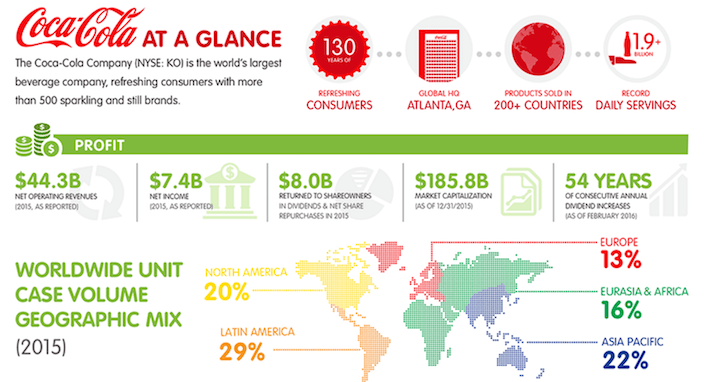
Increased marketability is also a way in which digital business model has helped in promoting success at Coca-Cola Company. Marketability could be delineated as the ability to market goods and services to customers effectively (Parviainen et al., 2017). According to reports presented recently, Coca-Cola Company has managed to increase its sales in different parts of the globe thus having a higher revenue. The increase has successfully been attained through the enhanced ability to market goods and services to different parts of the world regardless of the increased competition within the beverage industry. The organization has in various ways applied digital marketing in acquiring this benefit. Through the use of different digital marketing tools such as social media and different analytic tools, the company has managed to effectively prioritize its advantages while at the same time gaining higher productivity and profitability. The strength in marketability has similarly helped in enriching the aspects of growth and development to a whole new perspective.
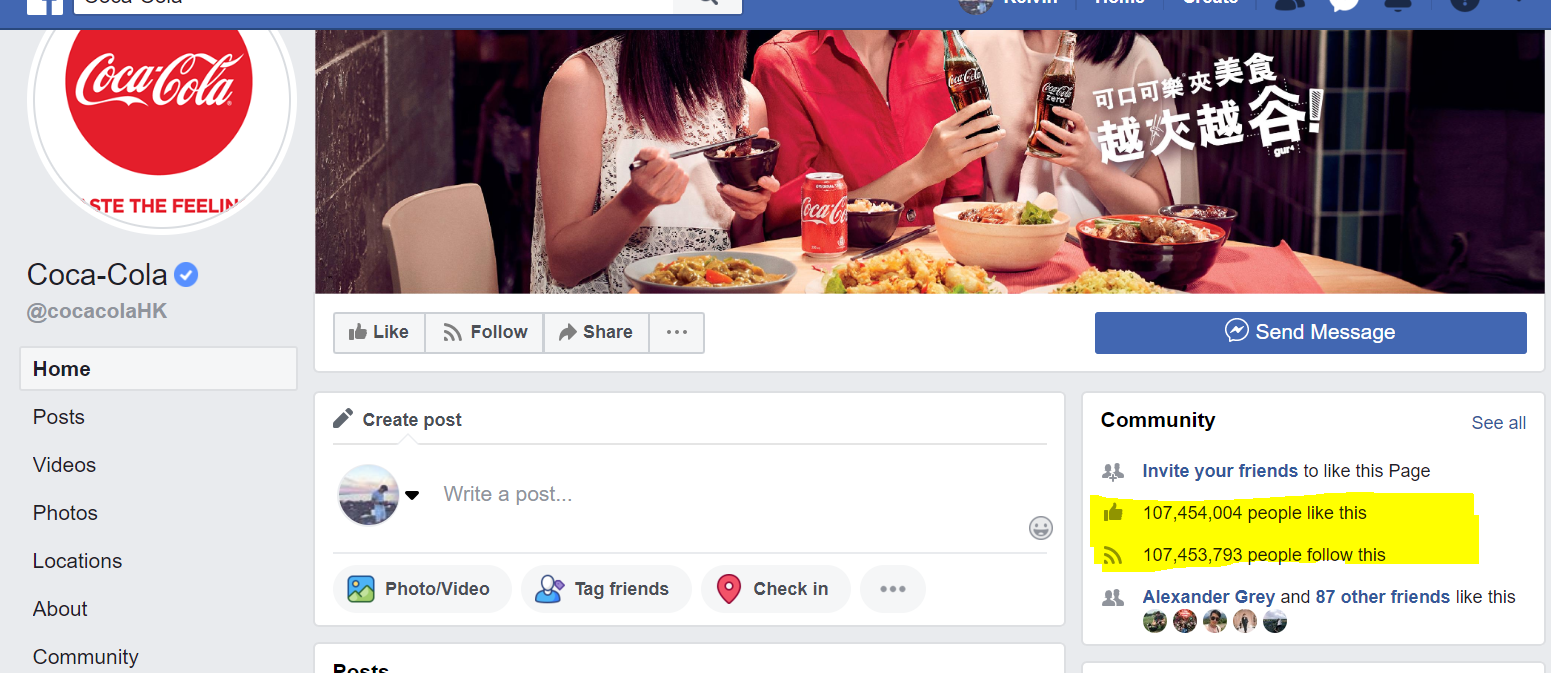
While still on the idea of marketability, digital business model has been of great significance bearing the fact that it has allowed the company to monitor its customers accordingly. The attestation could be elucidated further considering that through the application of different digital tools such as social media outlets, the marketing department has managed to communicate with all customers and clients efficiently (Bouwman et al., 2018). The enhanced form of communication has allowed the company to attain a higher customer demand and satisfaction rate which has helped in promoting other aspects of the business. One way in which increased demand and satisfaction has supported success in the business centers on the increased competitive advantage. Through being able to communicate with customers efficiently, the company has managed to understand all customer’s needs and desires thus providing quality services and products that would suit the customers’ demands. The approach has helped in increasing the revenue rate acquired by the company while at the same time promoting the aspects of growth and development within the organization.

On a different point of view, the digital business model has helped the company in making better decisions. In every organization, decision making is at all times considered one of the most fundamental concepts that sometimes tend to determine the future success of an organization. The notion centers on the argument that companies that enact better decisions tend to have a higher success rate compared to other companies (Parviainen et al., 2017). In this case, better decision making has enabled the company to serve its customers accordingly while at the same time implementing an organizational culture based on high workability and profitability. Through better decisions making, the managerial department at Coca-Cola Company has at a significant rate been able to effectively conduct different business activities including processing, distribution and even retailing services. Also, better decision making processes has helped in enhancing public relations while at the same time improving its relationship with all its stakeholders. The enhanced relationship with stakeholders has helped the company acquire most of its anticipated goals and objectives thus allowing the company to be more successful.
In conclusion, digital business modelling has in different ways favoured the growth and development of Coca Cola Company thus making its one of the most successful companies within the beverage industry. The company has in recent years managed to integrate multiple digital tools in manufacturing, processing, distribution, marketing, and other areas. Some of the digital tools used by the company that has made it more successful include the internet, social media tools, business analytics tools, websites, and other relevant customer relationship management tools (Rachinger et al., 2018). With the aim of maintaining consistent growth and development, the managerial department at Coca-Cola Company should consider implementing other digital tools based on the changing technology.
References:
Bouwman, H., Nikou, S., Molina-Castillo, F. J., & de Reuver, M. (2018). The impact of digitalization on business models. Digital Policy, Regulation and Governance, 20(2), 105-124.
Hänninen, M., Smedlund, A., & Mitronen, L. (2018). Digitalization in retailing: multi-sided platforms as drivers of industry transformation. Baltic Journal of Management, 13(2), 152-168.
Parviainen, P., Tihinen, M., Kääriäinen, J., & Teppola, S. (2017). Tackling the digitalization challenge: How to benefit from digitalization in practice. International Journal of Information Systems and Project Management, 5(1), 63-77.
Rachinger, M., Rauter, R., Müller, C., Vorraber, W., & Schirgi, E. (2018). Digitalization and its influence on business model innovation. Journal of Manufacturing Technology Management.

 Kelvin blog